
Local or Travel? Choosing the Right Video Production Strategy
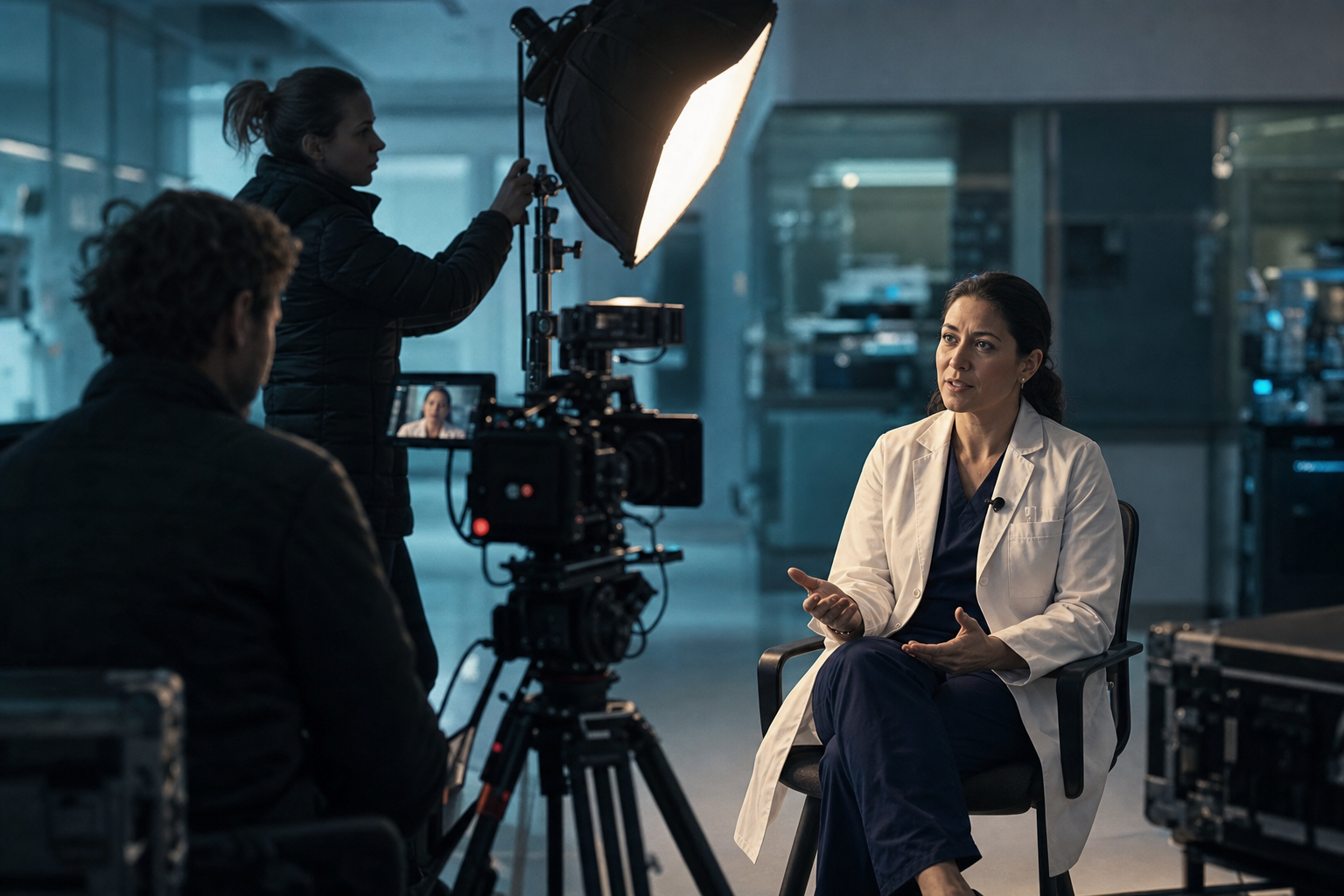
Healthcare marketing teams often need video created wherever their story is happening. That may mean filming at a clinical site, a company headquarters, an industry meeting, or a location where a physician, patient, or executive is available for a limited amount of time.
Each location brings its own production requirements. The right camera, lighting, audio, and support equipment help the crew capture quality footage in a controlled, professional way.
Strong footage also depends on the team’s understanding of the brand, the people on camera, and the story the audience needs to hear.
For HCP marketing, that combination is essential. Clinicians and healthcare decision-makers expect content that is clear, credible, and appropriate to the subject.
For the full conversation on production gear and capturing the right story, watch the latest episode of The Production Lab on YouTube.
Consistency Builds Brand Confidence
When a company films in several cities or states, each video should still feel like it belongs to the same brand. Viewers may not know where the footage was captured, but they recognize when the image quality, tone, interview style, and visual standards feel inconsistent.
That consistency comes from more than a standard camera package. It comes from a production team that understands how the brand speaks, what its audiences care about, and which details carry the most weight in the final piece.
Over time, that familiarity helps the team move faster. They know the visual approach that has worked, the types of questions that produce useful answers, and the standard the company expects across every project. The result is a more reliable experience for the people on camera and a more cohesive library of content for the brand.
Production Gear Supports the Story
Gear matters because it gives a production team the ability to adapt to the real conditions of a shoot. A physician interview may take place in a small office. A product demonstration may happen in a clinical environment. An executive conversation may be scheduled between meetings in a location with limited time for setup.
The production plan should account for the setting, available space, lighting conditions, audio needs, and the type of footage required. Crews need the right tools to capture clean interviews, supporting visual material, and content that can be used across multiple formats.
For healthcare marketers, technical preparation also protects the subject’s experience. A team that is ready before the interview begins creates a smoother environment for a busy clinician or executive. That helps the person on camera focus on the conversation, their expertise, and the audience they are trying to reach.
Brand Knowledge Helps the Team
A camera crew can capture an interview. A team that knows the brand can help capture the story behind the interview.
That knowledge informs the questions, the visual choices, and the material the team prioritizes on set. It helps the interviewer recognize when a subject has explained a meaningful clinical challenge, described an important workflow issue, or shared a perspective that will resonate with an HCP audience.
It also helps the team identify what is missing. A product launch may need a stronger explanation of the clinical need. A patient story may need more context about the care journey. An executive discussion may reveal a point that deserves its own short video, sales asset, or educational resource.
These decisions happen in real time. The production team needs enough context to listen closely, follow up effectively, and collect content that can support the company’s marketing goals after the shoot.
Travel Production Requires More Than Logistics
Travel adds planning, but it also creates an opportunity to capture meaningful content where it has the most credibility. A clinical expert speaking in their own environment, a customer describing a real workflow, or a team showing how a product is used can add context that a studio setting may not provide.
The production partner needs to manage the logistics while keeping the experience simple for the client. That includes planning equipment, understanding the location, coordinating with local contacts, preparing the interview approach, and making sure the finished video aligns with the content already in the company’s library.
For teams that create video across multiple markets, a trusted production partner offers continuity. They carry the brand standards, prior project knowledge, and creative approach from one location to the next.
Make Every Shoot a Source of Future Content
The strongest productions create more than the primary video. Interviews often generate additional clips, expert insights, supporting footage, and moments that can become future content.
Planning with that in mind helps marketers get more value from the subject’s time and from the investment in travel and production. A single shoot can provide material for a long-form video, focused expert clips, social content, sales follow-up, and product marketing assets.
That requires a team that can balance production quality with marketing judgment. The right equipment gives the crew the ability to capture the footage. Brand knowledge and strong relationships help them recognize which footage will matter most.
Q&A: Healthcare Video Production
Why does brand knowledge matter during a video shoot?
Brand knowledge helps the production team understand the audience, the message, and the visual standards that guide the project. It also helps the team recognize strong moments in an interview and collect material that supports future marketing needs.
How does the location affect a healthcare video production?
The location influences the equipment, production schedule, interview setup, available footage, and logistics. Clinical sites, offices, meetings, and event environments each require a plan that protects quality and respects the people participating.
What should a healthcare marketer expect from a traveling production team?
Expect the team to arrive prepared, manage the details of the shoot, adapt to the location, and maintain the company’s established brand standards. The goal is a professional experience for the subject and usable content for the marketing team.
Can one shoot support more than one marketing asset?
Yes. A well-planned shoot can create a primary video along with shorter expert clips, social content, sales resources, product-page material, and supporting visual footage for future campaigns.

While you're here
A few more pieces from the team on healthcare marketing, AI, and the work behind the work


Trusted by the teams shaping healthcare
Real perspectives from the healthcare and life science teams who've trusted DigiVidBio with their campaigns, their science, and their reputations.
Your story
starts here
Whether you have a clear brief or just a challenge worth solving, we're ready to dig in. Send us a note and we'll get back to you within one business day.