
Marketing Genome: Animation in Healthcare Marketing: Right Tool, Right Time
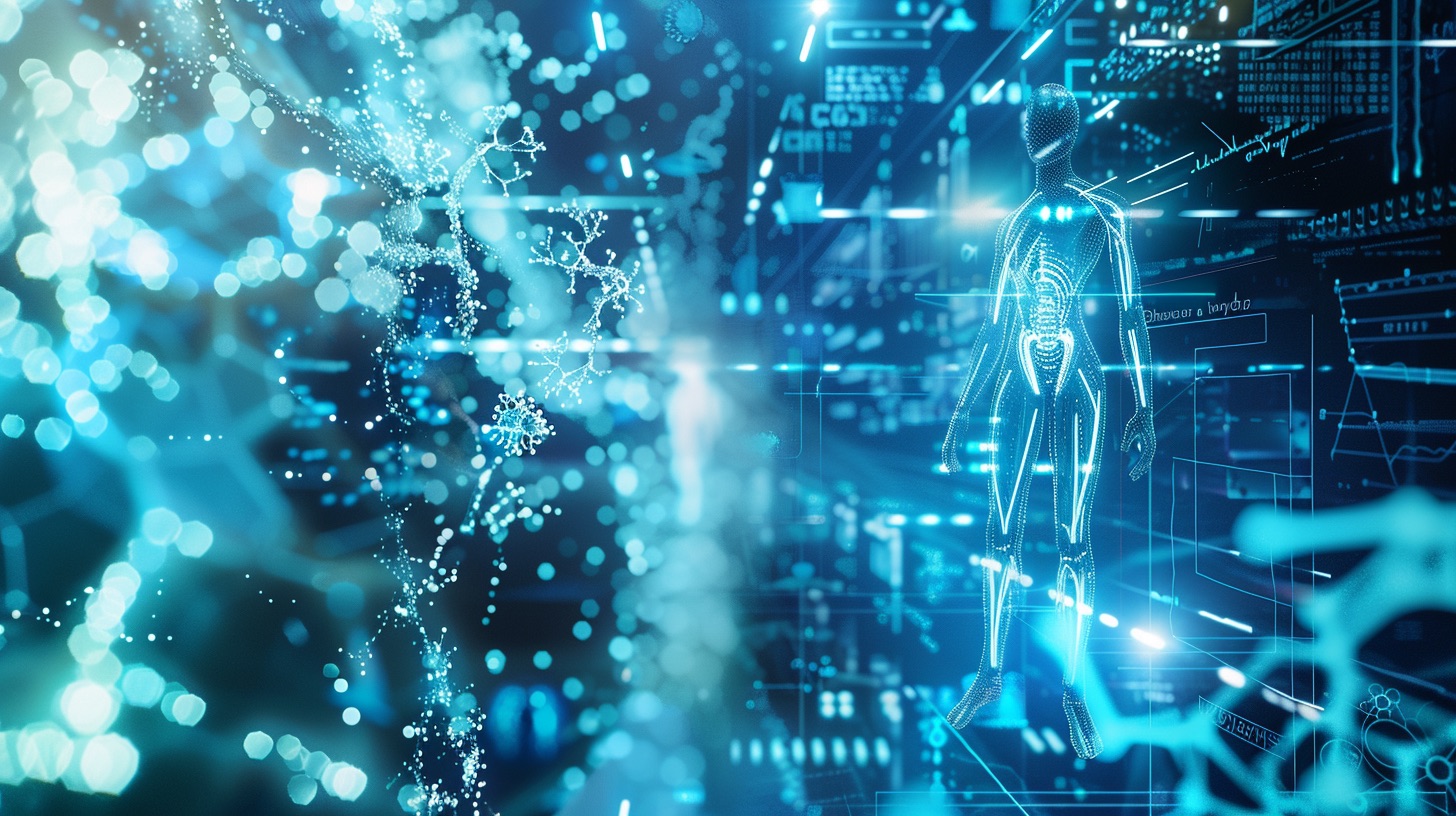
Animation is not a decorative add-on in healthcare marketing. It is a communication tool that becomes valuable when the message is difficult to film, hard to explain, or too complex to leave to static visuals alone.
In HCP marketing, the format has to do more than look polished. It has to make the message easier to understand, memorable enough to retain, and exhibit a professionalism that establishes trust.
That is where animation earns its place. Used well, it helps marketers explain mechanisms, workflows, procedures, diagnostics, and digital tools in ways live action often cannot.
Animation doesn’t have to be purely functional. It can also be a deliberate aesthetic choice. The value comes from using it to move ideas forward that might otherwise stall, and being selective about where it’s applied.
When Animation Earns Its Place
The strongest case for animation appears when the subject is hard to capture with a camera or difficult to understand in still form. This shows up repeatedly around medical devices, internal processes, surgeries, software, and regulated workflows.
If a device operates inside a closed housing, if a biological process happens inside the body, or if a software platform exists entirely in a digital environment, live action quickly reaches its limits. Animation gives marketers a way to show what cannot realistically be filmed and to simplify what would otherwise remain abstract.
That matters in healthcare because understanding is not a soft metric. It directly affects whether an HCP keeps watching, whether a patient feels overwhelmed, and whether a message is remembered at all.
Animation works best when it removes friction from the learning process and gives the audience a path from complexity to clarity.
Start with the Message
The first decision is not style. It is clarity. Before anyone chooses 2D, 3D, motion graphics, or live action, the real question is what the audience needs to understand by the end of the piece.
That shift in thinking changes the whole process. When marketers start with the message instead of the format, animation stops being a cosmetic choice and becomes a communication tool that can simplify complex ideas, focus attention, and make the content easier to absorb.
Why It Works
One of animation’s biggest strengths is that it can put the explanation directly on screen. Instead of forcing a message to rely on generic footage or visuals that only loosely connect to the narration, animation can make the visuals do the same job as the script.
That creates a stronger learning experience. When people hear information and see it reinforced at the same time, the message becomes easier to retain, which is especially important in healthcare marketing where technical detail and clarity often determine whether the audience stays with you or moves on.
It Is Not Just for Patients
Animation is often associated with patient education, and for good reason. In sensitive or intimidating care settings, it can explain difficult concepts in a way that feels more approachable and less overwhelming than highly clinical imagery.
But its value goes well beyond patient-facing content. For HCP audiences, animation can make mechanisms, diagnostics, workflows, and product functions easier to understand without oversimplifying the science behind them.
Cost Depends on Fit
One of the most common mistakes marketers make is assuming animation is automatically too expensive. In reality, the better question is whether it is the most efficient way to achieve the communication goal.
A live action shoot can bring costs for locations, talent, crew, logistics, and footage that still may not explain the product clearly. In the right situation, animation is not an expensive alternative. It is the smarter one.
Prep Reduces Rework
Animation projects move faster and more smoothly when the groundwork is solid. Brand guidelines, existing assets, clear scripts, and early access to the right internal contributors all help reduce revision cycles and keep the creative aligned from the start.
That preparation is not just helpful. It protects the budget. When assets change late, or when teams discover too far in that key visuals or messaging are off track, revisions become more expensive and more disruptive than they needed to be.
Get Alignment Early
Early alignment is one of the clearest ways to avoid wasted time and wasted spend. The people who influence brand direction, product accuracy, and final approval need visibility before production moves too far forward.
That includes marketing, product, design, and in many cases, senior leadership. If the first meaningful feedback arrives after animation is already built, the team is no longer refining the work. They are often rebuilding it.
AI Changes the Process
AI is expanding what animation teams can do, especially in ideation, style exploration, moodboarding, and selective asset development. It can help teams move faster, test directions earlier, and find efficient ways to support pacing and production quality.
But the value of AI follows the same standard as any other tool. It matters when it removes friction, improves clarity, and helps the team work with more speed and control, not when it is treated like a shortcut for strategy or creative judgment.
FAQ: Animation in Healthcare Marketing
Is animation a good fit for every healthcare marketing project?
No. Animation works best when it solves a communication problem that live action, static visuals, or standard graphics would struggle to solve clearly. If the message is already easy to show and easy to understand, animation may not add much value.
When does animation make the most sense in healthcare marketing?
Mechanisms of action, surgical concepts, diagnostic pathways, medical device functionality, software platforms, patient journeys, and process-heavy explanations are all strong use cases.
Why is animation effective for HCP audiences?
HCPs are busy, selective, and unlikely to spend time on content that feels unclear or irrelevant. Animation can help by making mechanisms, workflows, and technical concepts easier to follow and easier to retain without stripping out the substance.
Is animation only useful for patient education?
No. Animation can be highly effective for patients, especially when explaining sensitive or intimidating topics, but it is also valuable for HCP audiences, internal teams, field teams, and other stakeholders who need to understand complex information quickly and clearly.

While you're here
A few more pieces from the team on healthcare marketing, AI, and the work behind the work
.png)
.png)

Trusted by the teams shaping healthcare
Real perspectives from the healthcare and life science teams who've trusted DigiVidBio with their campaigns, their science, and their reputations.


Your story
starts here
Whether you have a clear brief or just a challenge worth solving, we're ready to dig in. Send us a note and we'll get back to you within one business day.