
NPI Targeting for Vision Care Marketers
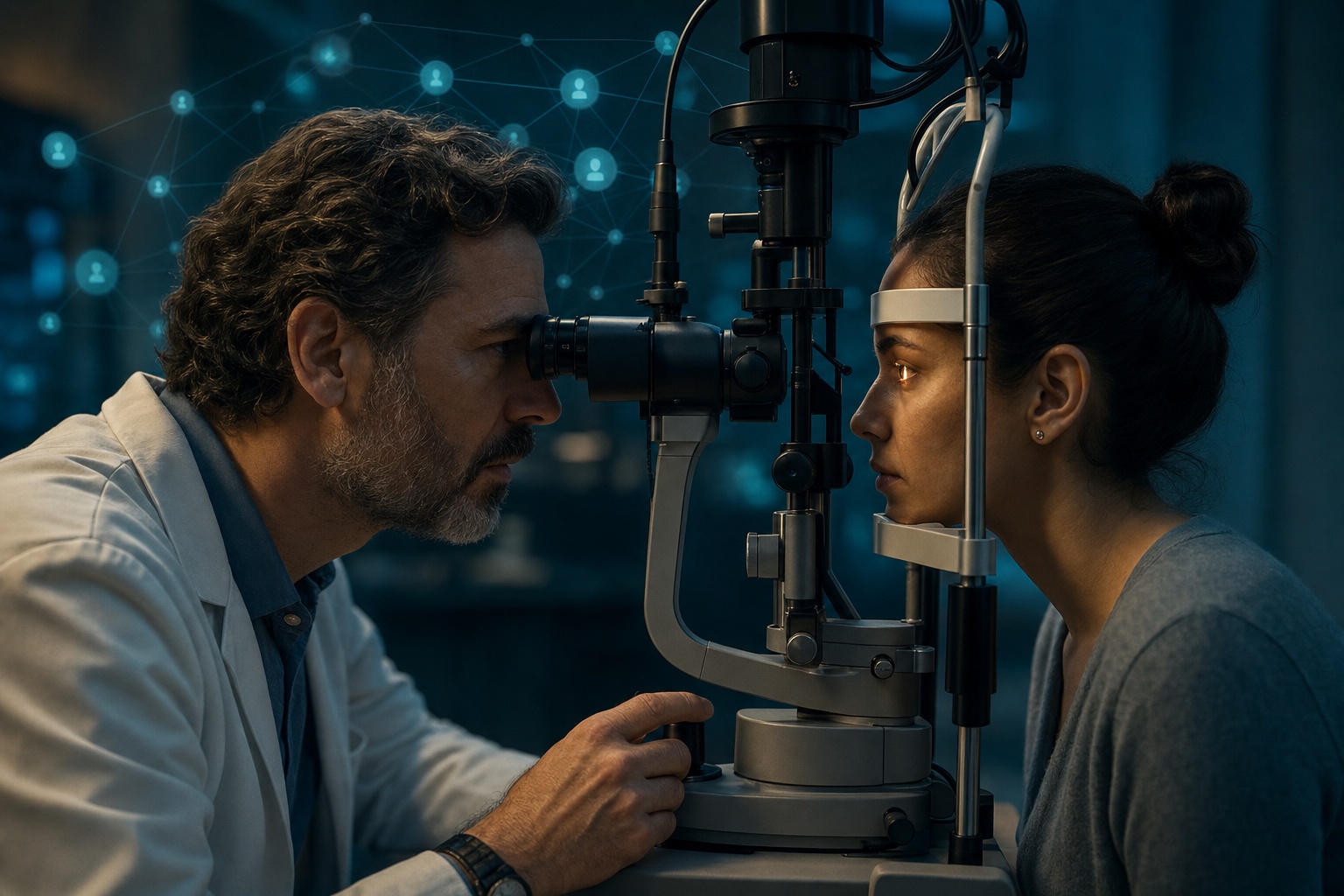
What an NPI Actually Anchors
An NPI is the 10-digit identifier CMS assigned to every licensed provider in the United States, tied to a verified specialty, taxonomy code, and practice location.
It was built for billing, not marketing, but that verification is exactly what makes it useful here.
When a media partner matches digital, CTV, or podcast identifiers back to an actual NPI record, you get confirmation of who you reached, not an inference based on browsing behavior or a modeled lookalike segment.
That distinction matters more than it sounds like it should, because most "specialty targeting" sold by DSPs and programmatic vendors today is still modeled.
Most ophthalmic and optometric campaigns still cannot answer a basic question: did this reach a specific, verified provider, or just a modeled audience that looks like one. That gap, not a lack of budget or creativity, is the real ceiling on most vision care HCP programs right now.
Where Specialty Targeting Actually Breaks Down
Manufacturers already invest heavily in ophthalmic and optometric trade media—journals, specialty magazines, and professional websites—but these channels are typically broad, reaching the entire specialty rather than specific ODs or MDs with particular procedure behavior.
NPI‑based campaigns are designed to complement that spend by adding precision: targeting individual providers and practice segments rather than just readership of a publication.
ODs outnumber MDs two to three times over and drive the recommendation for contact lenses, dry eye products, and myopia management, which means a campaign that treats them as secondary is leaving the higher-volume audience underserved.
Separate taxonomy codes exist for optometrists and ophthalmologists for exactly this reason: to let you build genuinely distinct campaigns instead of running one message to everyone.
Why the Cost of Getting This Wrong Is Rising
Modeled or under-segmented targeting has always wasted spend and made engagement tracking unreliable.
What has changed is the size of the audience you are wasting it on.
The ophthalmologist workforce is projected to shrink even as patient demand climbs, which means the pool of providers worth reaching is contracting while competition for their attention increases.
Every verified impression is worth more than it used to be, and every misdirected one costs more.
What Verified Targeting Actually Gets You
Done well, NPI targeting builds curated lists on verified attributes: specialty, subspecialty, geography, and prescribing or referral patterns.
It runs on de-identified data tied to a public professional identifier rather than sensitive personal information, which keeps programs compliant while still allowing measurement at the individual provider level.
That is the part that changes the conversation with your own leadership: you can show which specific segment is engaged and adjust spend accordingly.
NPI targeting by itself is not a campaign. It is the identity layer that makes every channel built on top of it, video, connected TV, and paid media accountable.
In the next post in this series, we will get into how video content fits into an NPI-targeted strategy, and why it is quickly becoming the most effective way to reach ophthalmologists and optometrists where they already spend their time.
Evaluating a media partner's specialty targeting claims?
DigiVidBio builds NPI-verified video and media strategies specifically for vision care companies.
Curious how our matching stacks up? Grab time with Greg: https://meetings-na2.hubspot.com/greg-pugh
Part 2 of 3 — next up: Why Video Is the Missing Piece in NPI Targeted Eye Care Campaigns

While you're here
A few more pieces from the team on healthcare marketing, AI, and the work behind the work

.png)
.png)

Trusted by the teams shaping healthcare
Real perspectives from the healthcare and life science teams who've trusted DigiVidBio with their campaigns, their science, and their reputations.

Your story
starts here
Whether you have a clear brief or just a challenge worth solving, we're ready to dig in. Send us a note and we'll get back to you within one business day.