
Production Lab: Real Projects, Real Tradeoffs
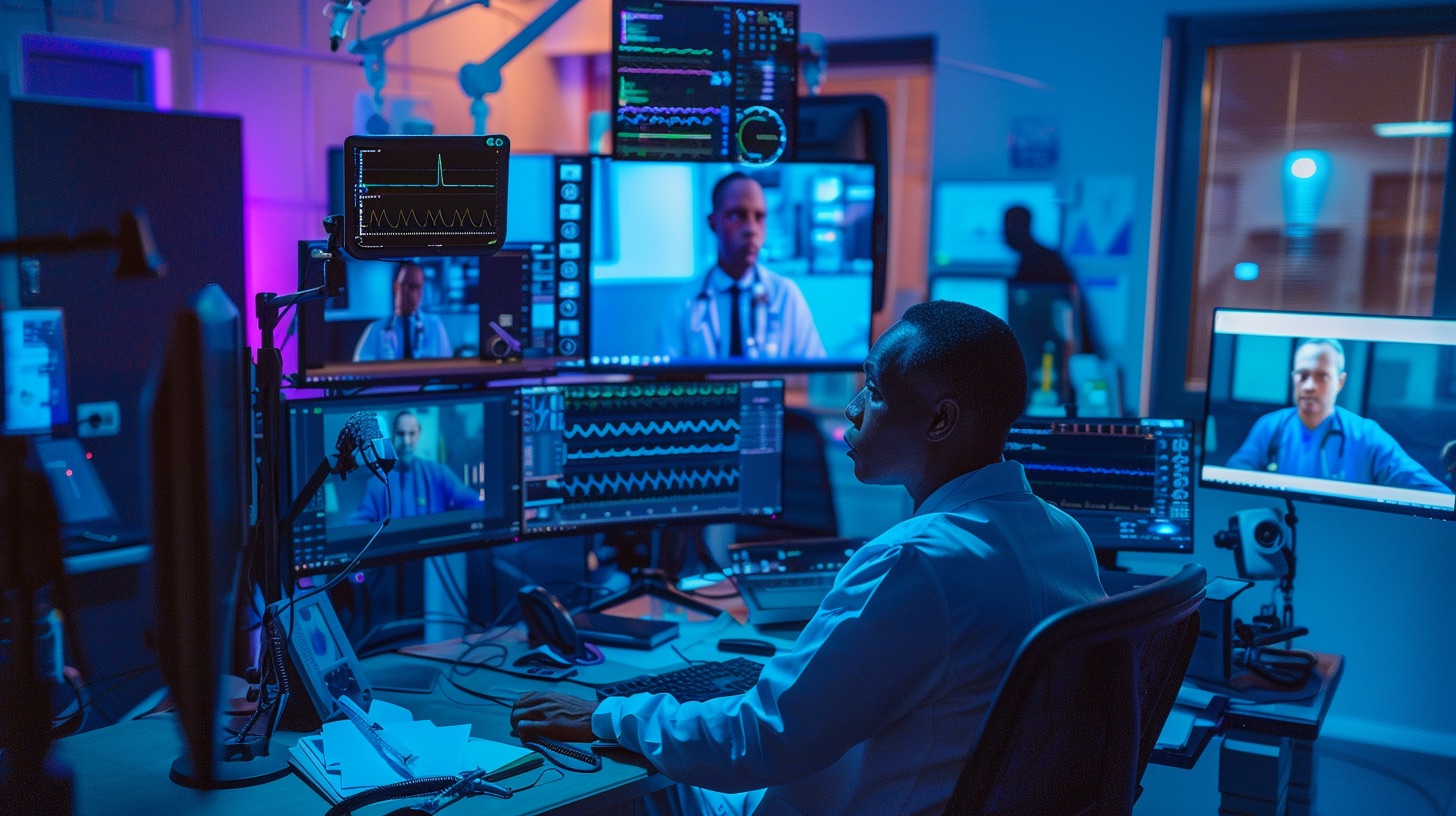
Video projects become less valuable when they’re designed for a single deliverable rather than a sustained content need.
Creating content takes coordination, access, and budget, one-off planning often leaves useful footage, additional assets, and future applications undeveloped.
A finished video can solve the immediate request, but it does not automatically mean the production was structured to return the most value over time.
One Deliverable Is Rarely Enough
One of the easiest ways to limit return is to treat one video as the entire outcome of a project.
That puts all of the planning, approvals, production time, and editing effort behind a single asset with a single release moment.
In practice, most productions create more opportunities than that. Interviews, presentations, and customer-facing footage often contain additional topics, shorter clips, and reusable material that can support other channels and future campaigns.
Content Systems Stretch the Investment
An effective approach is to plan every video as a content system. When teams build toward multiple assets across a defined period, the budget becomes easier to manage and the content becomes easier to reuse.
That shift matters because one production can support far more than one final cut.
A single recorded presentation can produce short-form edits, channel-specific clips, social assets, and future variations built from the same core material.
Animation Adds Another Layer of Misunderstanding
Marketers often assume animated content is simple because there is no live shoot, but animation carries its own production layers, including scripting, style development, storyboarding, voiceover, design, and iterative revision.
That complexity matters because animation scope can expand quickly, even on short runtimes.
The length of the final piece does not tell the whole story, especially when the visual ambition increases from basic motion graphics to higher-end animated approaches.
Archives Should Keep Working
Archived footage should not be treated as dead inventory. Existing interviews, previous edits, and unused footage can often be updated with new framing, motion graphics, revised voiceover, or additional context to create new assets without starting from zero.
That gives marketing teams more flexibility over time. It also reduces the waste that happens when material is used once and then ignored.
Sales Needs to Be in the Plan
Video is not only a brand or social asset. Short, clear clips can also support direct outreach, making them useful to sales teams that need content they can quickly send, track, and reuse.
That is where planning needs to improve.
If sales may use the content later, that should shape the project before production begins, not after the main deliverable is already complete.
Better Planning Reduces Friction
Video initiatives become easier to approve with defined outputs, expected use cases, and measurable goals, which give leadership a reason to support the investment.
That also helps marketing teams work more strategically. Instead of restarting the planning process for every new request, they can build a growing library of assets designed to support multiple needs.
A video initiative is much harder to defend when no one has defined what success will look like.
Before the work begins, teams should know what outcomes matter, how the content will be used, and what signals will tell leadership the investment was worthwhile.
What Better Planning Looks Like
Better planning starts with a wider view of the project.
Before production begins, teams should know what the content needs to accomplish, where it may be used, and what additional cuts or formats may be needed later.
That affects how footage is captured, how assets are edited, and how the business measures success once the content is in use.
It supports long-term marketing instead of the next immediate ask.
For a look at how these budget decisions play out in practice, watch the vlog:
https://youtu.be/L-v1NBu5YF0?si=XlG4j4eF4xaeuOXk
FAQ: HCP Video Planning
Why do one-off video projects create waste?
Because they often use a full production effort to create one asset while leaving other usable footage and follow-on content undeveloped.
What improves return on a video project?
Planning for multiple downstream assets, channels, and use cases before production starts.
Why should sales be included early?
Because video can support direct outreach, and those needs are easier to serve when they shape the project from the beginning.
Can archived footage create value?
Yes. Existing footage can often be updated or repurposed into new assets with the right creative treatment.
Why does this matter in HCP marketing?
Teams often work with long sales cycles, difficult attribution, and limited production opportunities, which makes reusable content more valuable than isolated outputs.

While you're here
A few more pieces from the team on healthcare marketing, AI, and the work behind the work




Trusted by the teams shaping healthcare
Real perspectives from the healthcare and life science teams who've trusted DigiVidBio with their campaigns, their science, and their reputations.


Your story
starts here
Whether you have a clear brief or just a challenge worth solving, we're ready to dig in. Send us a note and we'll get back to you within one business day.