
Targeting the Right Audience: NPI vs. LinkedIn for Healthcare Marketers
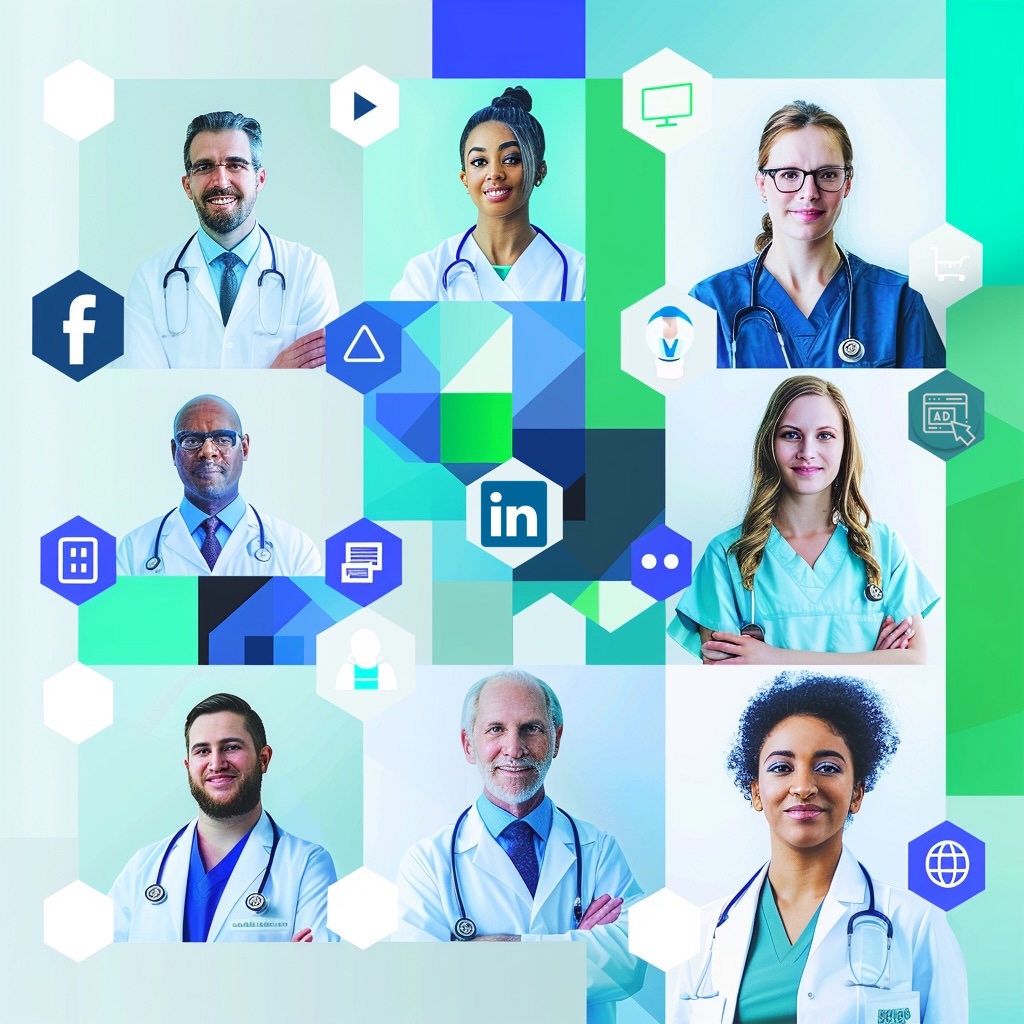
Reaching healthcare professionals (HCPs) online presents unique challenges for marketers in the diagnostics, medical technology (MedTech), and healthcare industries.
Difficulties include:
- Fragmented audiences across specialties
- Evolving regulations in healthcare marketing
- Increased competition for HCP attention
NPI and LinkedIn targeting emerge as two powerful strategies to navigate these hurdles.
Employing a combination of NPI targeting and LinkedIn targeting allows healthcare marketers to effectively engage their niche audience, driving meaningful results in campaigns.
Understanding NPI Targeting
NPI targeting refers to the use of National Provider Identifier (NPI) data as a strategic approach in healthcare marketing. This method is essential for reaching HCPs effectively.
Benefits of NPI Targeting
1. Precision Targeting
Leveraging first-party NPI and billing code data enables marketers to engage with specific physician specialties. For instance, targeting oncologists who frequently bill for prostate cancer treatments ensures that marketing efforts are directed toward the right audience.
2. Personalized Campaigns
NPI data facilitates highly customized campaigns tailored to individual specialties and billing behaviors. By understanding how physicians interact with different services, marketers can craft messages that resonate deeply, improving engagement rates.
3. Physician-Level Reporting
NPI-based campaigns allow for granular, physician-level reporting that goes far beyond general impression or click counts. Marketers can track engagement down to the individually-named HCP, seeing who viewed, clicked, or interacted with campaign assets.
This level of insight transforms NPI targeting into a bottom-of-funnel tactic, where campaigns don’t just build awareness, they help identify warm leads and directly support sales activity.
With this accountability and data transparency, NPI targeting becomes a performance-driven channel that can directly influence pipeline and purchasing decisions—making it a go-to strategy for marketers under pressure to prove impact.
Key Advantages of NPI Targeting
NPI targeting offers distinct advantages for healthcare marketers aiming for precision in their campaigns. By leveraging NPI data, marketers can:
- Reach specific physicians by name and specialty. For instance, targeting oncologists who bill for prostate cancer treatments allows for tailored messaging that resonates with their specific practice needs.
- Deliver targeted messages that enhance test adoption and referrals. Understanding which physicians use specific ICD-10 or CPT codes enables marketers to craft communications promoting relevant tests or services, increasing the likelihood of uptake among targeted audiences.
- Physician-level reporting to measure campaign effectiveness. This granular level of detail provides insights into how specific physicians respond to marketing efforts, allowing for adjustments based on real-time data and improved outcomes in lower funnel campaigns.
With these targeted approaches, healthcare marketers can significantly enhance engagement with niche specialties, ensuring that their messages reach the right HCPs.
The result is a more effective allocation of marketing resources and improved campaign performance across various initiatives.
Data Accuracy and Quality Assurance in NPI Targeting
Accurate data is essential for effective HCP segmentation and engagement. In the healthcare industry, using precise information allows marketers to customize their messaging based on specific physician needs, resulting in improved campaign performance.
Key aspects of data accuracy include:
- Segmentation Importance: Proper segmentation ensures that messages resonate with the right audience at different stages of their buyer's journey. This level of targeting boosts engagement rates and drives conversions.
- Addressing Data Quality Issues: NPI data provides the most reliable and accurate foundation for healthcare marketing campaigns. By partnering with trusted data providers or implementing your existing NPI database, medical marketers can ensure precise targeting and enhanced campaign performance.
This approach enables real-time validation and regular updates, maintaining the highest standards of data accuracy for successful healthcare marketing campaigns.
Exploring LinkedIn Targeting for Healthcare Marketers
“LinkedIn can be a valuable platform for reaching HCPs, especially when the goal is to build brand awareness or share thought leadership content.
Its reach across roles and organizations offers value for staying visible within the industry. However, because targeting is based on job titles, industries, and seniority levels, it can be difficult to reach specific specialties or connect engagement to real-world practice patterns.”
Key Aspects of LinkedIn Targeting
1. Audience Definition
Identifying the right audience is crucial. Marketers can define their target based on:
- Industry
- Job title
- Seniority level
2. Engagement Rates
The platform fosters high engagement due to its trusted environment. Healthcare professionals turn to LinkedIn for networking, professional development, and discovering industry insights, contributing to elevated interaction with LinkedIn targeted ads.
3. Advertising Solutions
LinkedIn provides various advertising solutions tailored for healthcare marketers, enabling them to reach specific segments effectively. Options such as LinkedIn retargeting ads enhance campaign performance by re-engaging users who have previously interacted with your content.
Effective LinkedIn Marketing Strategies
Implementing targeted strategies on LinkedIn enhances engagement with HCPs. Consider the following approaches:
1. Account-Based Marketing (ABM)
Account-based marketing (ABM) involves a highly focused B2B strategy where marketing efforts are concentrated on specific healthcare organizations and decision-makers. This approach treats individual accounts as distinct markets, delivering personalized content and messaging tailored to their unique needs.
2. Creating Matched Audiences
This feature enables marketers to re-engage previous visitors or focus on specific prospect groups based on their interactions with your brand. Custom audiences can include users who have engaged with past campaigns or those fitting specific criteria, ensuring that messaging remains relevant and impactful.
3. Implementing Retargeting Strategies
Engaging previous website visitors through retargeting campaigns is crucial for maintaining interest. By displaying tailored ads to users who have already interacted with your content, you reinforce brand awareness and encourage further action. This keeps your offerings top-of-mind while guiding potential clients back into the sales funnel.
These strategies leverage LinkedIn's unique platform advantages, positioning healthcare marketers to achieve significant results in their outreach efforts.
Challenges and Considerations with LinkedIn Targeting
LinkedIn is great for visibility but when campaigns demand clinical depth, its limitations show.
Because targeting is built around professional profiles, not real-world practice behavior, it’s tough to isolate the HCPs who are actively diagnosing, treating, or referring patients.
Attribution Issues
One of the primary concerns is the difficulty in attributing marketing spend directly to company revenue. HCP marketing often involves various touchpoints, making it challenging to track which specific efforts lead to conversions. This lack of clarity can hinder budget allocation and strategy refinement.
Comparing NPI Targeting and LinkedIn Targeting
So what’s better? It depends. LinkedIn is powerful for brand building. But if you need high ROI, warm HCP leads, and a sales team-ready strategy—NPI-targeted campaigns deliver.
1. Precision vs. Reach
NPI targeting excels in precision, allowing marketers to engage specific physicians by name, specialty, and billing behavior. This level of detail ensures highly personalized campaigns tailored to individual healthcare providers. In contrast, LinkedIn offers a broader reach, connecting with a vast audience of healthcare professionals across various roles and specialties. The platform cultivates a professional environment conducive to brand awareness.
2. Campaign Goals
Choosing between NPI and LinkedIn should align with campaign objectives:
- Use NPI targeting when the goal is conversion-focused. Its data-driven approach enhances the likelihood of engaging decision-makers directly.
- Implement LinkedIn targeting for brand awareness initiatives, leveraging its expansive network to generate interest among potential leads.
3. Combining Approaches
A comprehensive marketing strategy benefits from integrating both methods. By implementing NPI targeting for direct engagement and LinkedIn for wider visibility, marketers can create a cohesive plan that nurtures leads through various stages of the buyer's journey.
Conclusion
Healthcare marketers must harness the power of data-driven insights to effectively engage their target audiences.
- The integration of NPI targeting and LinkedIn targeting can enhance marketing strategies, addressing both precision and reach.
- Understanding the nuances between these methods allows for tailored approaches that align with specific campaign goals.
- As digital transformation in healthcare continues, leveraging these strategies ensures meaningful connections with HCPs.
Embrace these tools to drive results and elevate your MedTech and medical marketing efforts.
Q&A: NPI vs. LinkedIn Targeting for Healthcare Marketers
What is NPI targeting and why is it so effective in healthcare marketing?
NPI targeting uses the National Provider Identifier database to reach healthcare professionals based on their specialty, billing activity, and clinical behavior.
It’s especially effective because it allows marketers to tailor campaigns to individual physicians and measure engagement at the HCP level.
How does LinkedIn targeting differ from NPI targeting?
LinkedIn Targeting is based on job titles, industries, and company names—great for general outreach, but less precise when trying to influence HCPs actively making clinical decisions.
NPI targeting, by contrast, enables campaign alignment with real-world patient care activity.
Can I use both NPI and LinkedIn targeting in the same campaign?
Absolutely. Start with NPI targeting to reach high-value, clinically active HCPs, and use LinkedIn to reinforce your message and expand reach to influencers within their healthcare organizations.
This layered approach ensures consistent brand exposure across the decision-making ecosystem.

While you're here
A few more pieces from the team on healthcare marketing, AI, and the work behind the work

.png)
.png)
Trusted by the teams shaping healthcare
Real perspectives from the healthcare and life science teams who've trusted DigiVidBio with their campaigns, their science, and their reputations.


Your story
starts here
Whether you have a clear brief or just a challenge worth solving, we're ready to dig in. Send us a note and we'll get back to you within one business day.